Call for Papers
"Stories in Bricks, Beams, Paint, & Plaster: Reading Buildings as Evidence”
2027 Building Archaeology Symposium
Saturday, April 3, 2027
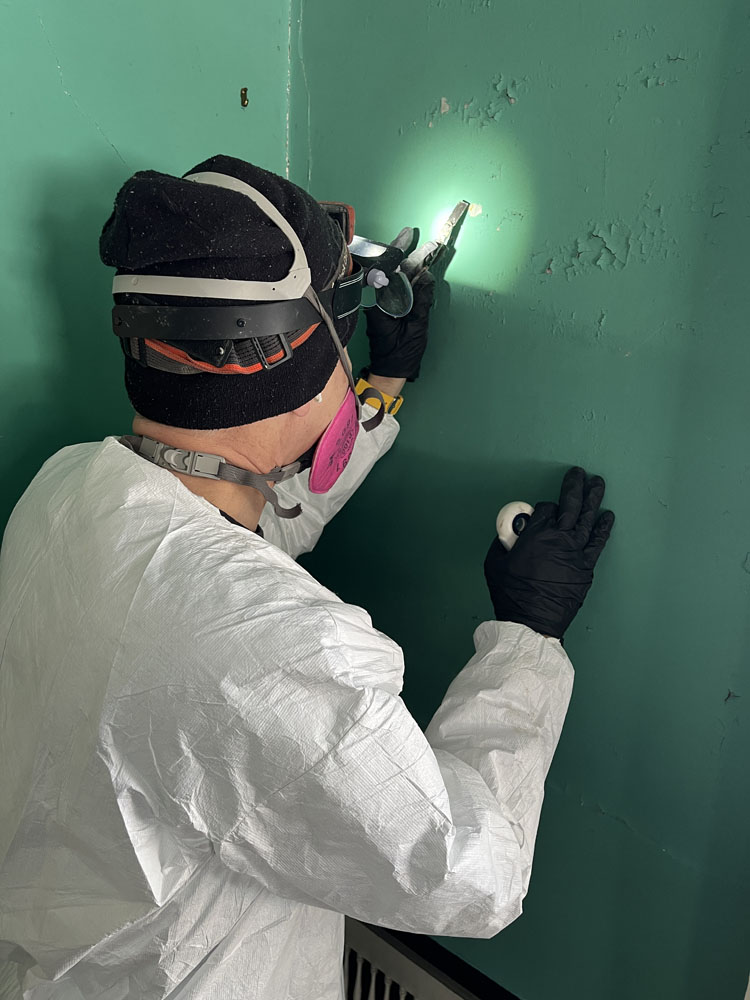
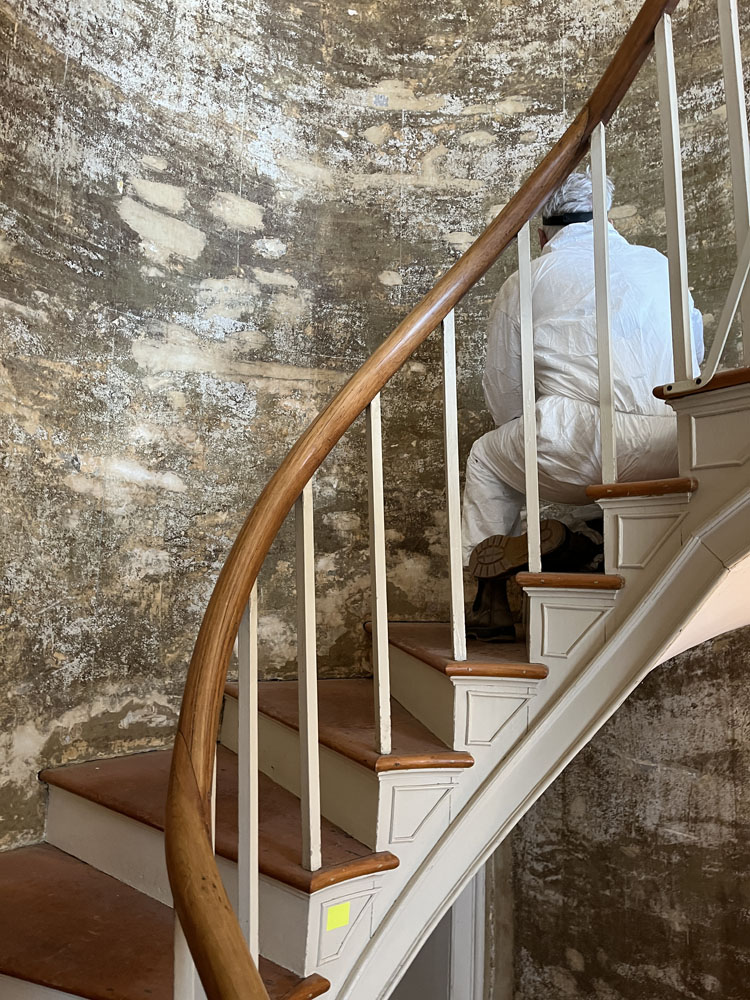
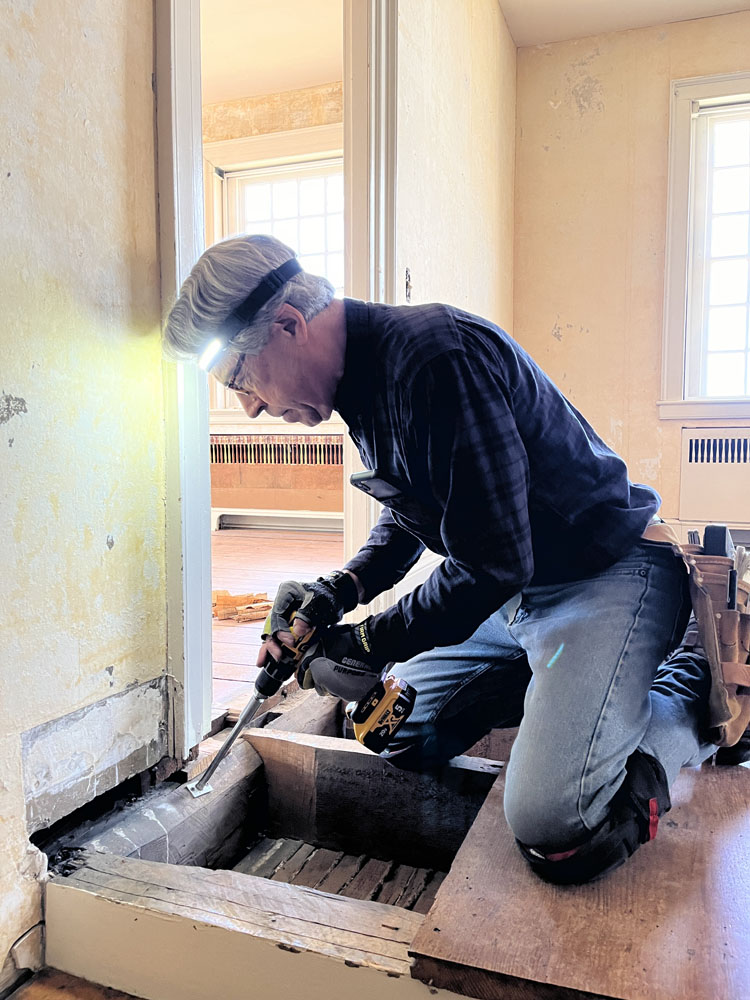
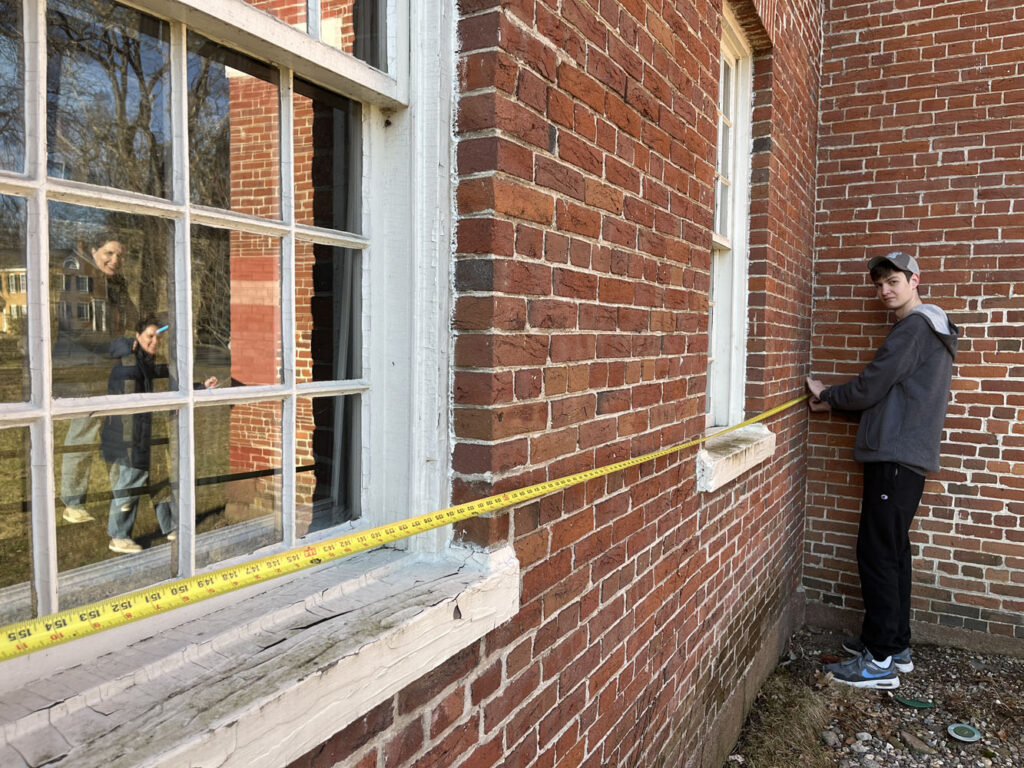
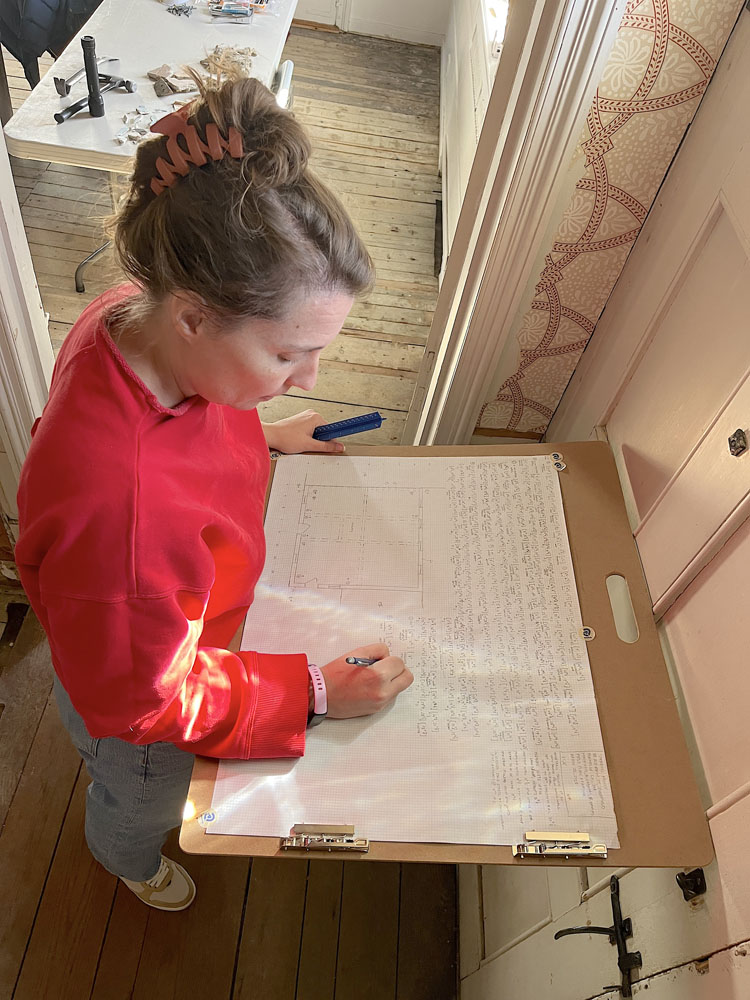
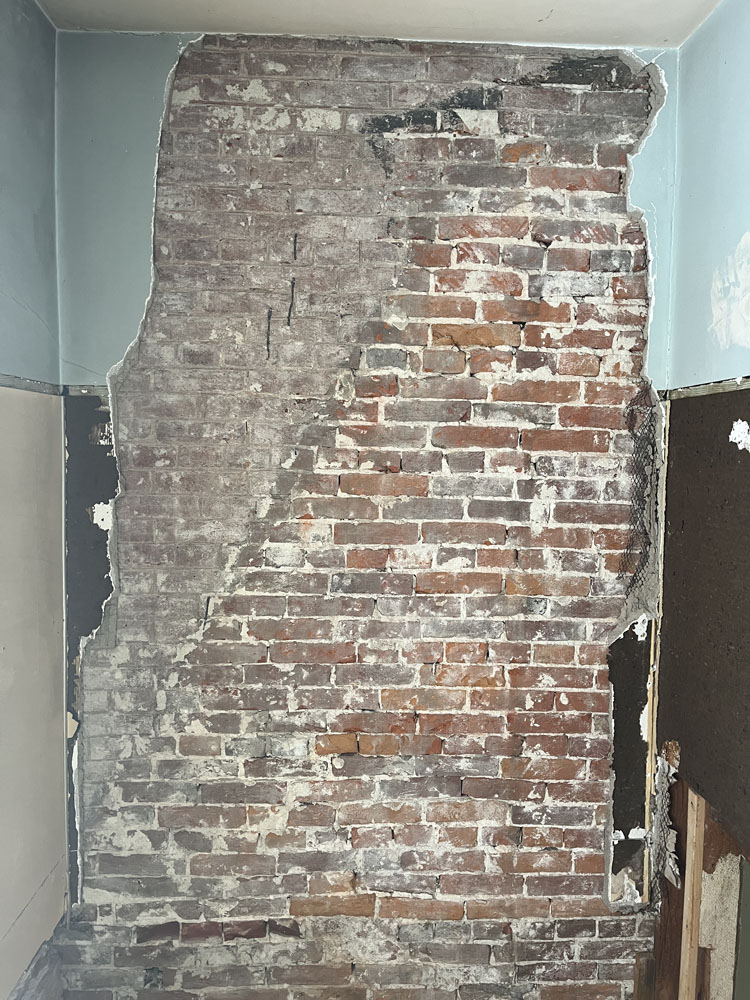
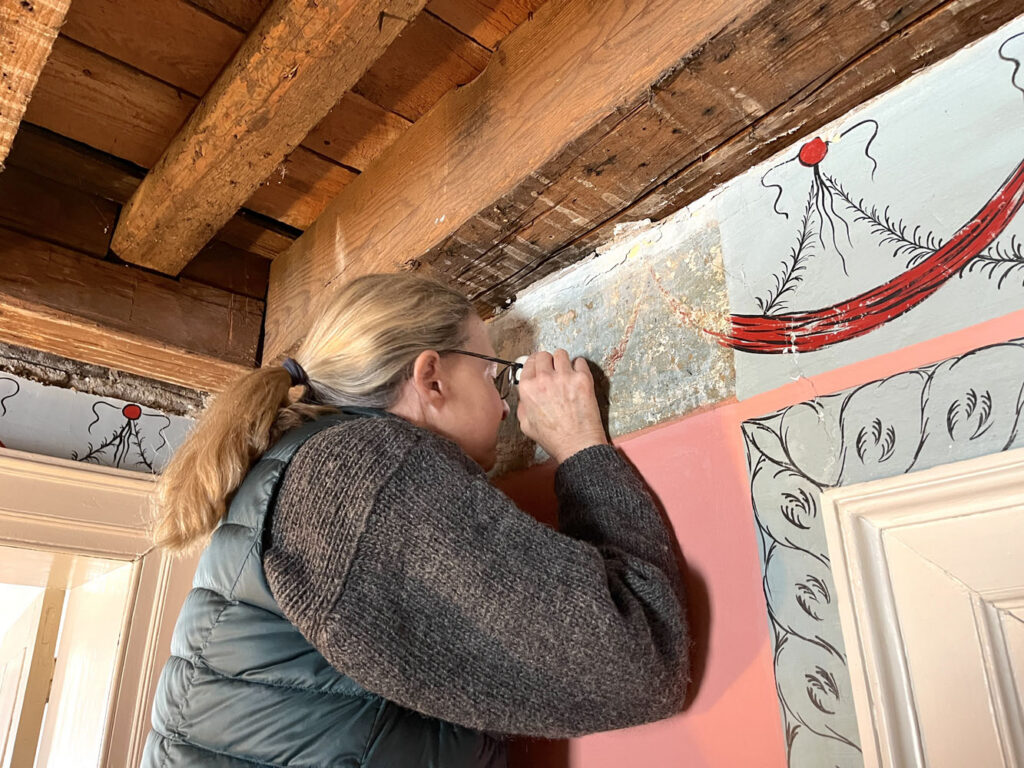
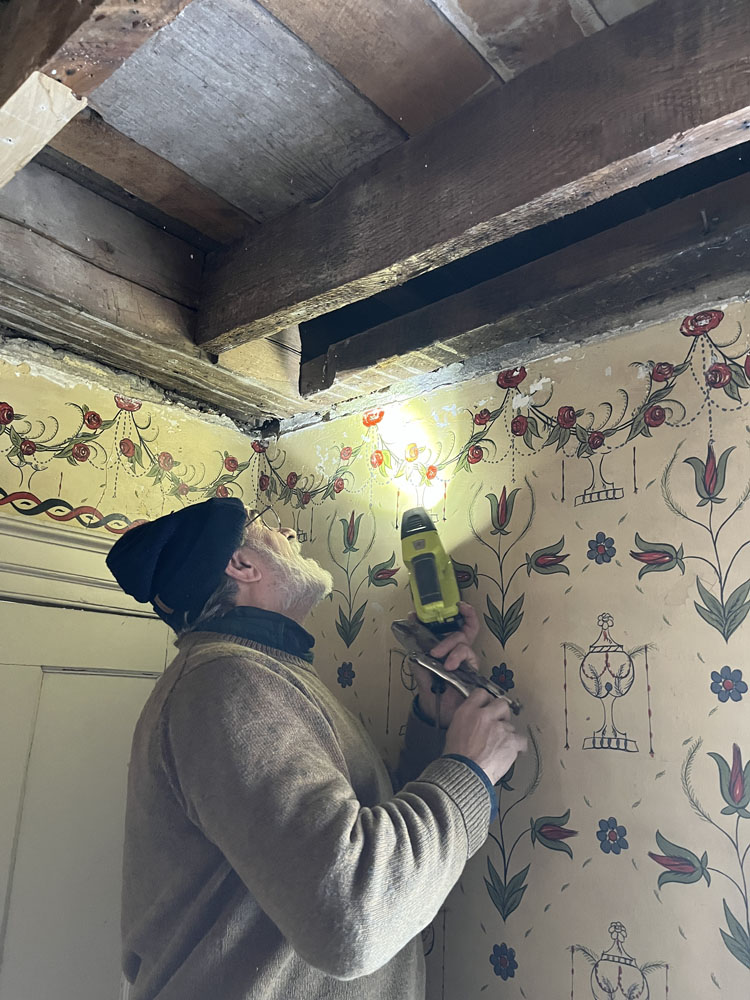
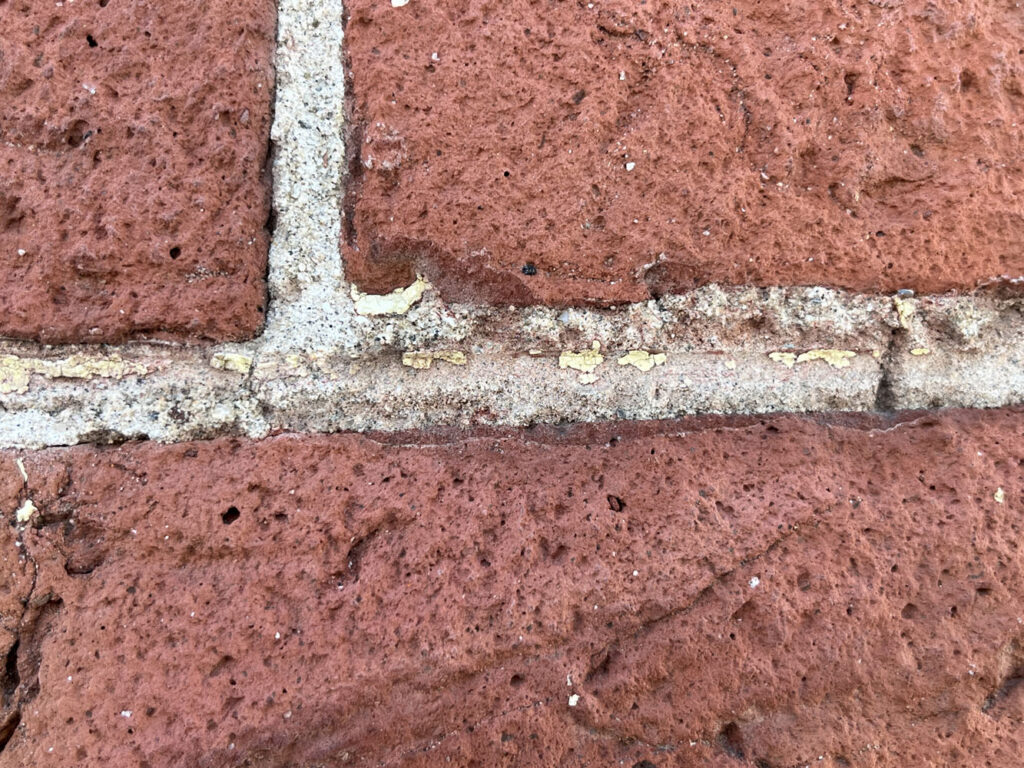
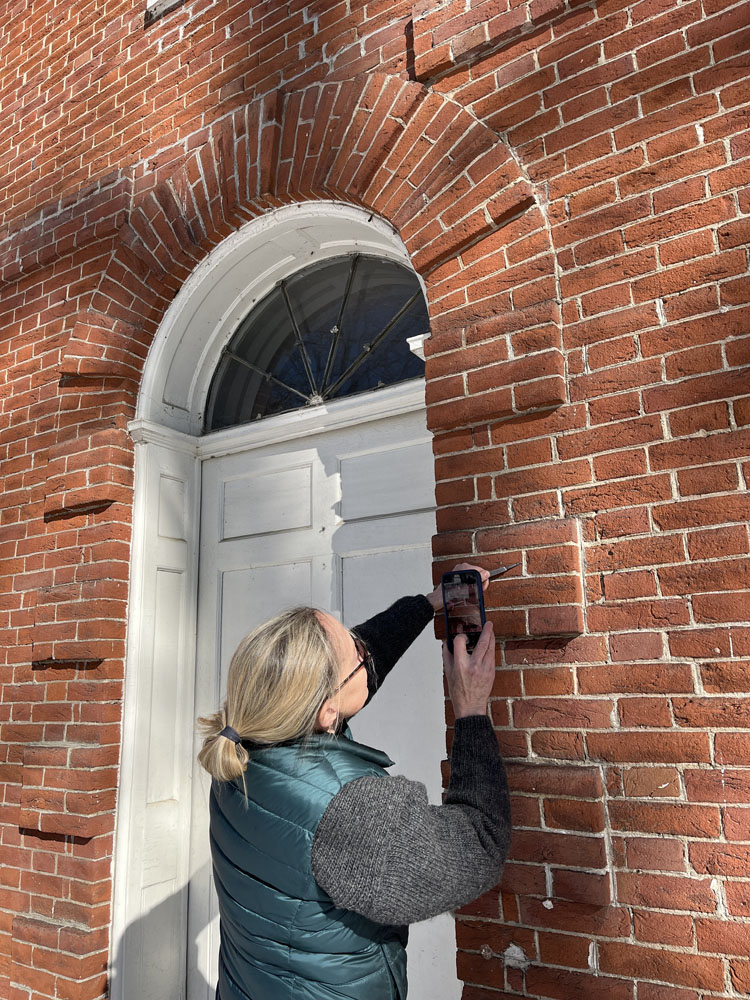
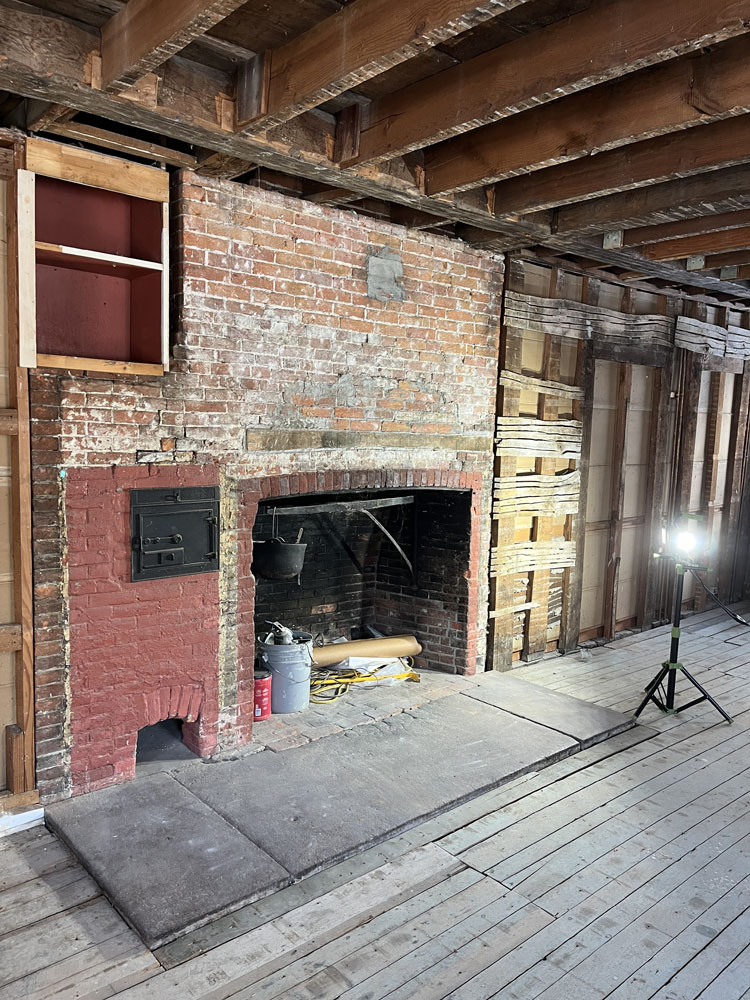
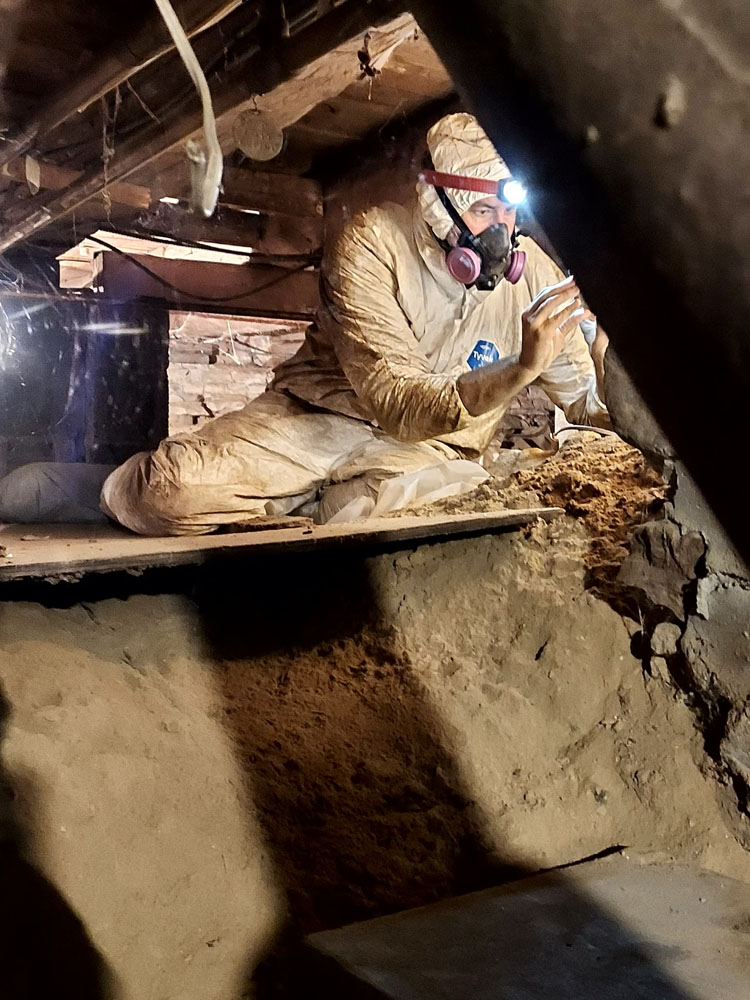
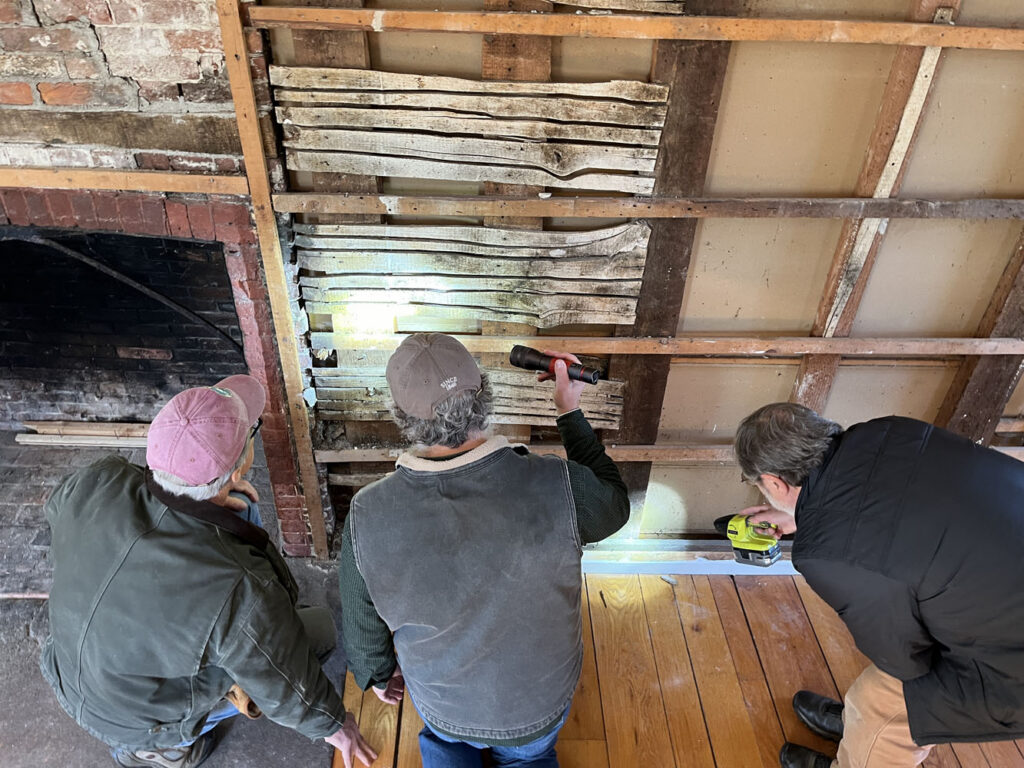
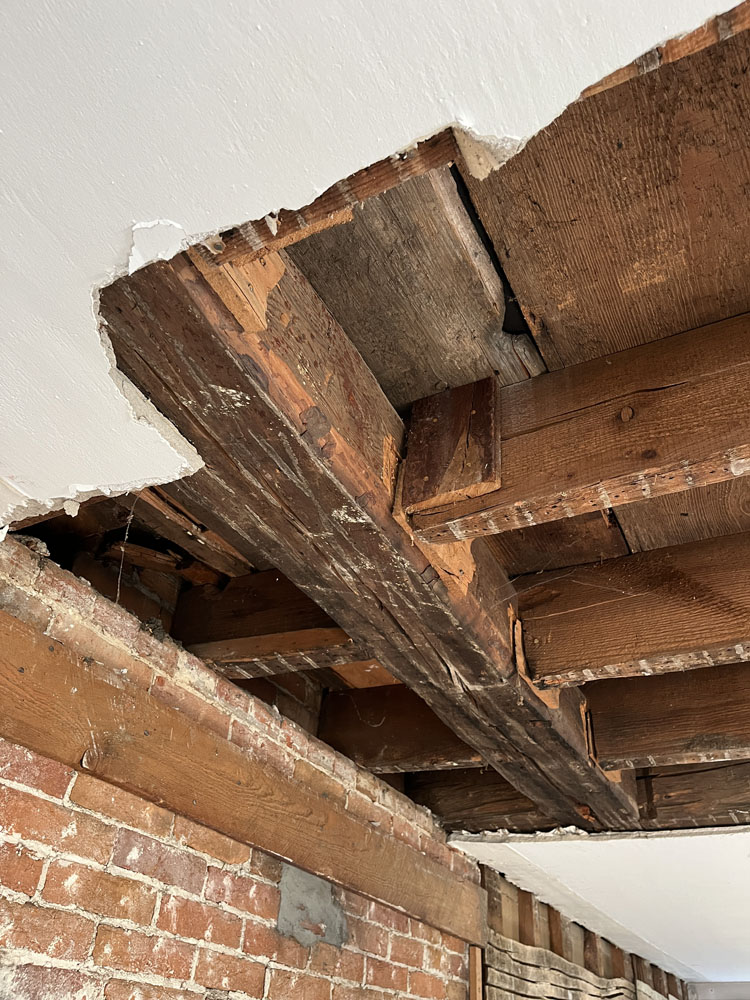
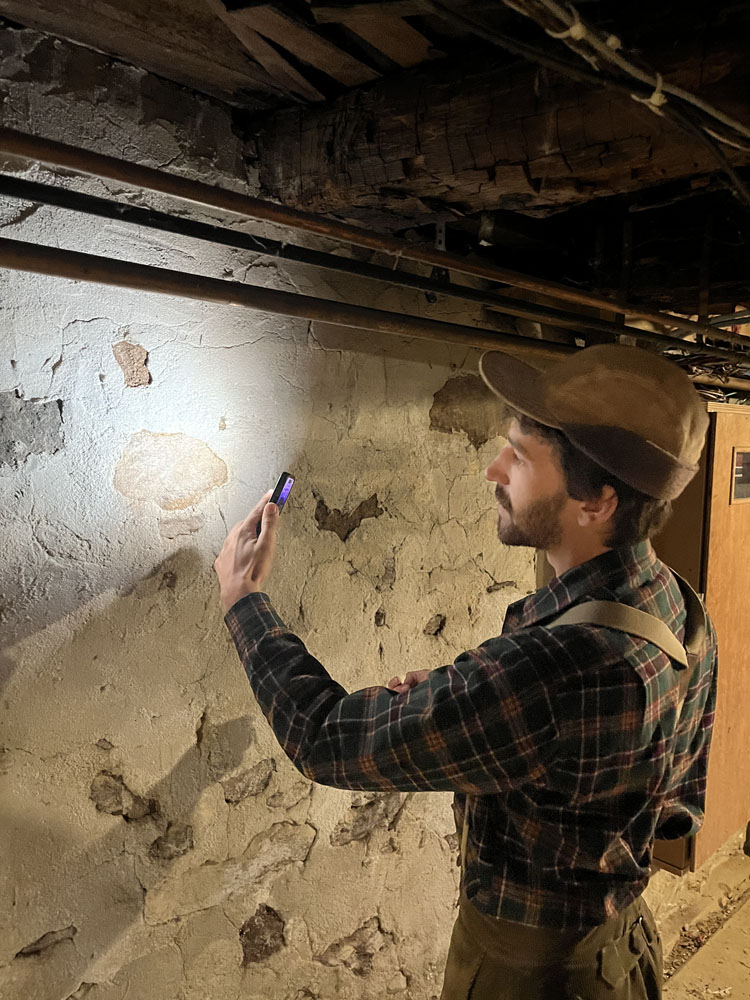
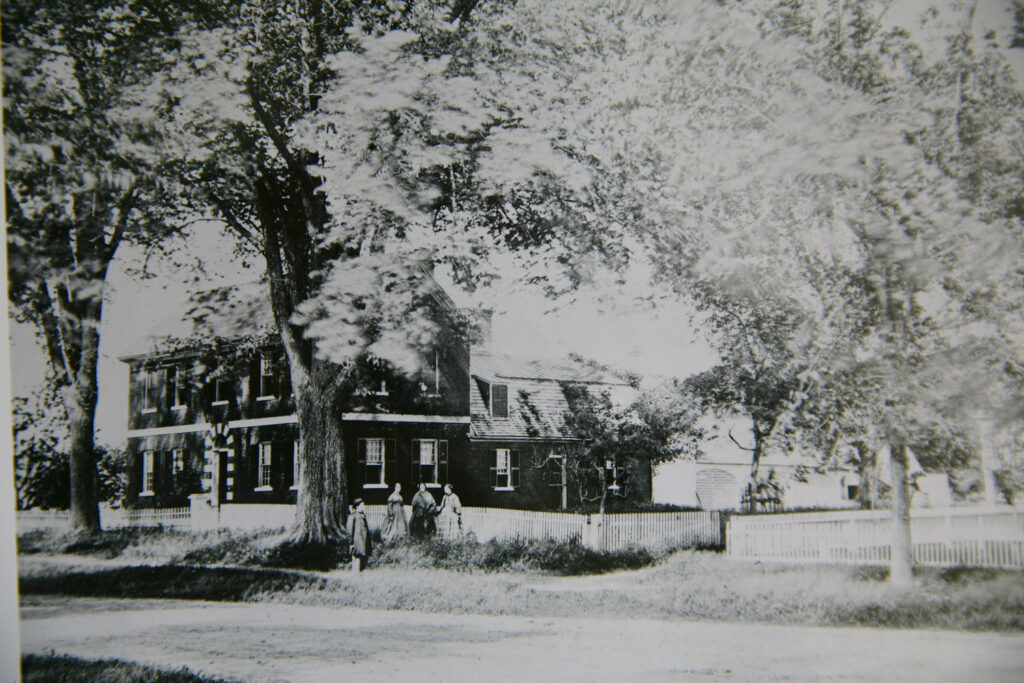
The Asa and Emilia Stebbins House at Historic Deerfield is currently undergoing an intensive physical study to uncover details of its construction and evolution—and we are exploring and sharing with visitors what its architecture can tell us about the Stebbins family and their material life over time. With very few written records to illuminate the building process or change over time, the Stebbins House itself emerges as a crucial historical document to inform its restoration and interpretation—an artifact to be “read” for the information embedded in its bricks, beams, paint, and plaster.
The 2027 Building Archaeology Symposium at Historic Deerfield—a one-day event to be held on Saturday, April 3, 2027, at the Deerfield Community Center—will mark the return of our annual Architectural Preservation Symposium series. Inspired by our work at the Stebbins House, this event will help reinvigorate conversations about historic buildings studies—their value, methodologies, and applications. It will bring together architectural historians, preservationists, conservators, students, archaeologists, architects, cultural resource management firms, site managers, historic homeowners, historic tradespeople, and material culture scholars to engage in stimulating conversations about building archaeology projects and what we can learn from them.
The symposium program will focus primarily on case studies and investigative methodologies, aiming to highlight the crucial role of building archaeology before restoration work, including the value of the formal Historic Structure Reports (HSRs) that often result from such work. We especially invite case studies that highlight how careful and systematic study of building fabric have informed accurate restorations and contributed to the understanding and interpretation of historic properties. The symposium will, we hope, help promote the continued training of emerging professionals who might engage in this work in the future.
The program will include a keynote address by Willie Graham (architectural historian and former curator of architecture at Colonial Williamsburg Foundation) and an open house visit to the Stebbins House, where attendees will get a behind-the-scenes look at our discoveries, contemplate some of our remaining architectural mysteries, and learn more about our decision-making process for restoration.
Possible themes and paper topics might include (but are not limited to):
- Solving periodization and building evolution
- Newer methodologies, technologies, or approaches
- Uncovering original floor plans / lost circulation patterns
- Recovering sensory experiences at historical buildings
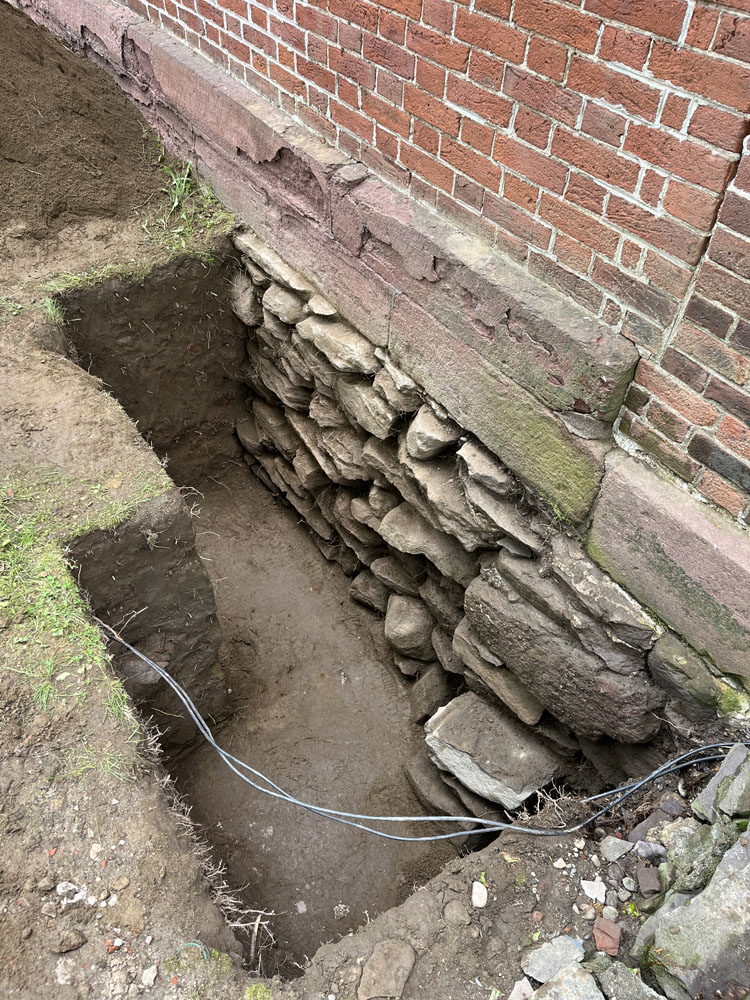
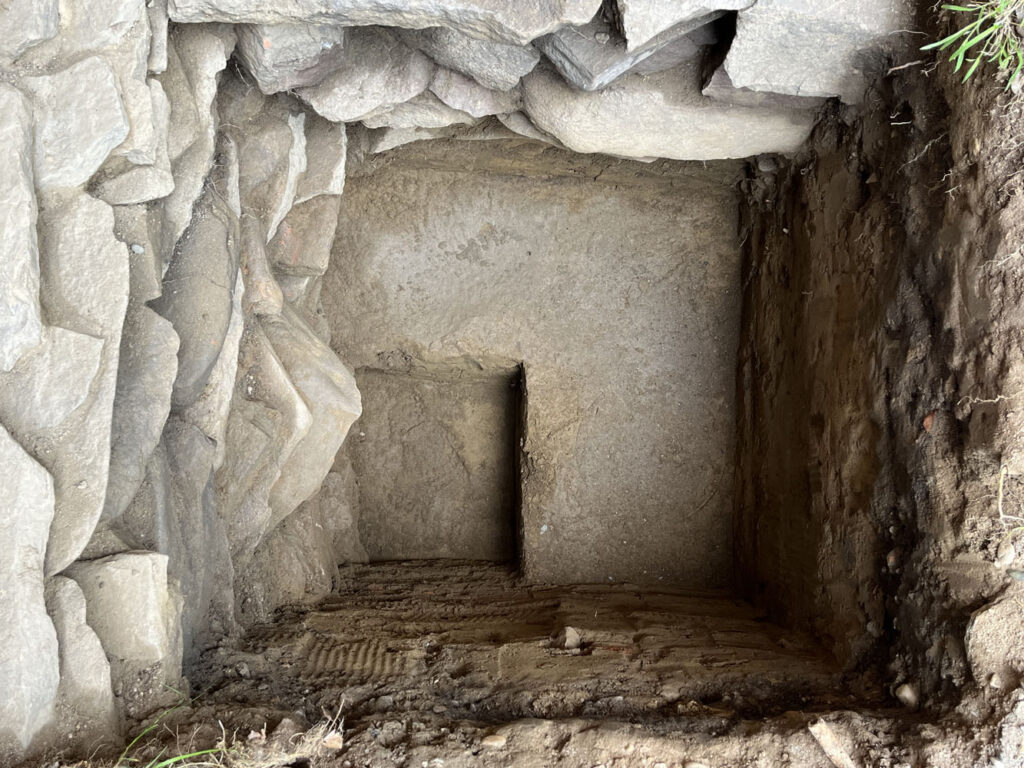
- Archaeological excavations that illuminate construction history
- Reading architectural traces and “ghosting”
- Recovering social histories through architectural clues
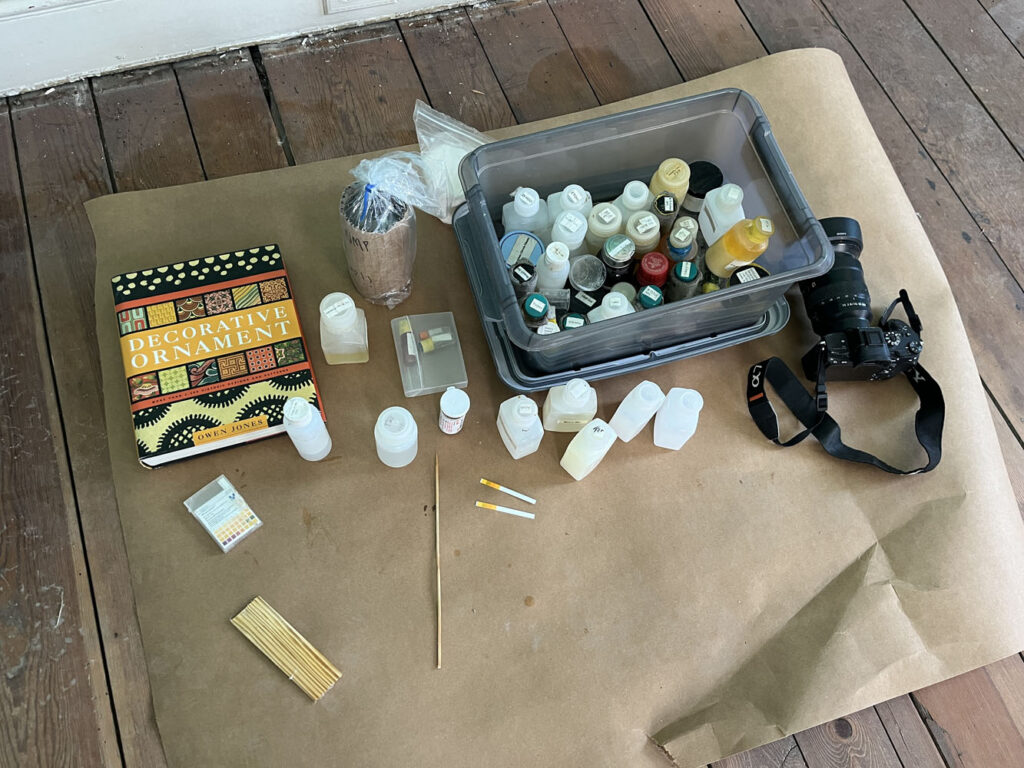
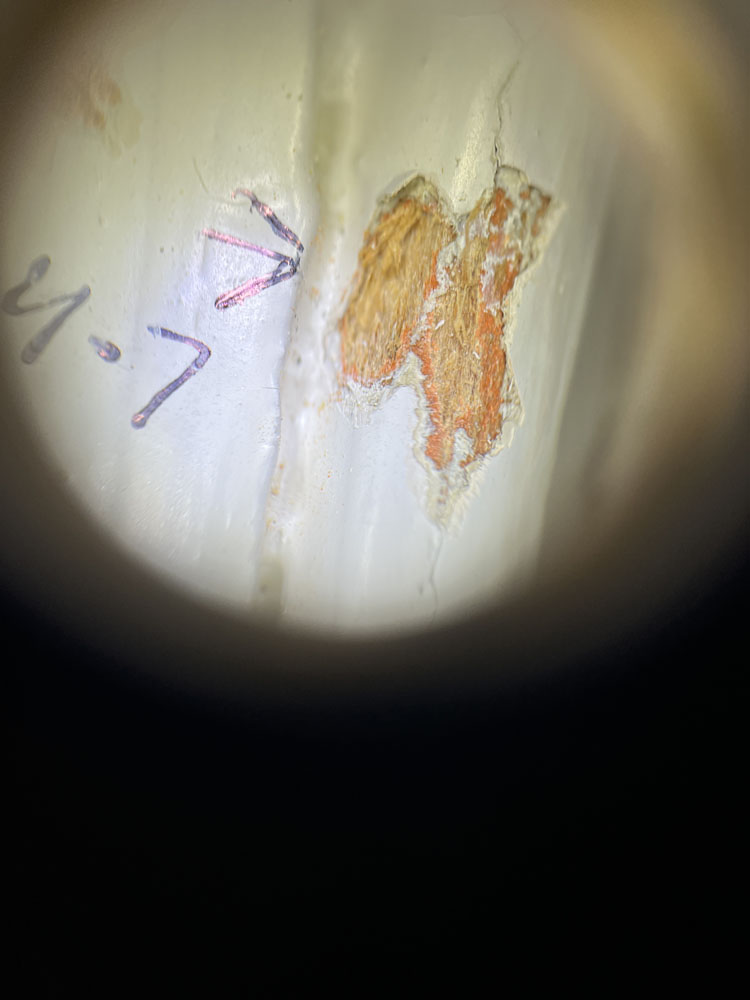
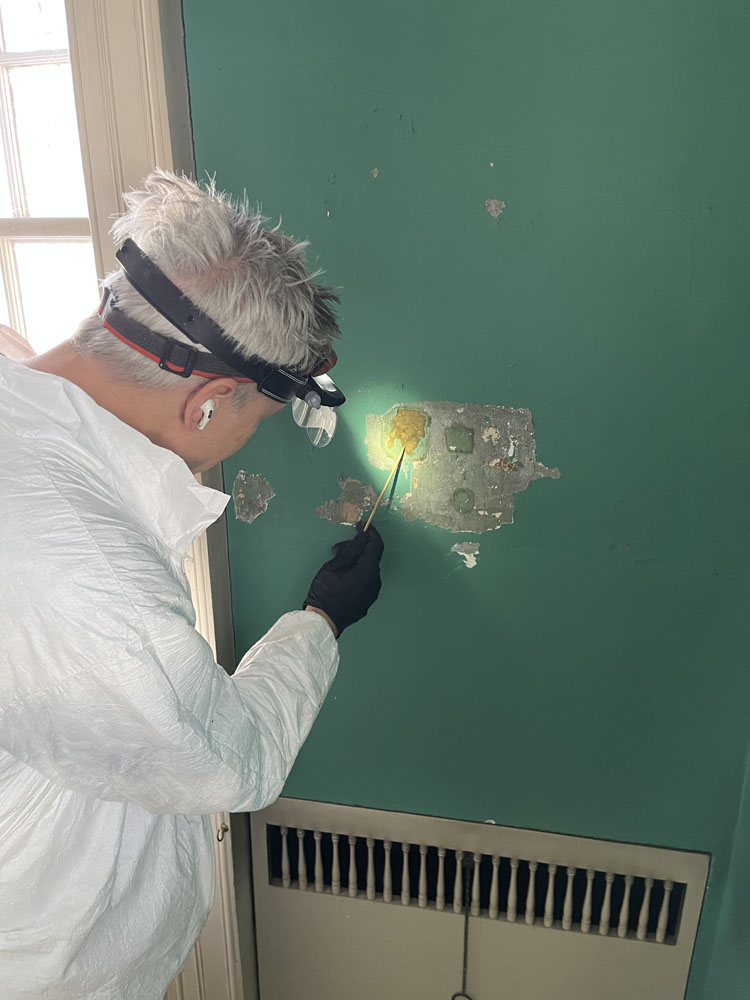
- Paint analysis and recoveries of original finishes / interior features
- Architectural traces of work / enslavement
- Timber frame analysis
- Brick, mortar, and plaster analysis
- Dendrochronology and confronting legacy narratives and interpretations
- Challenges, ambiguities, and unresolved questions in building investigations
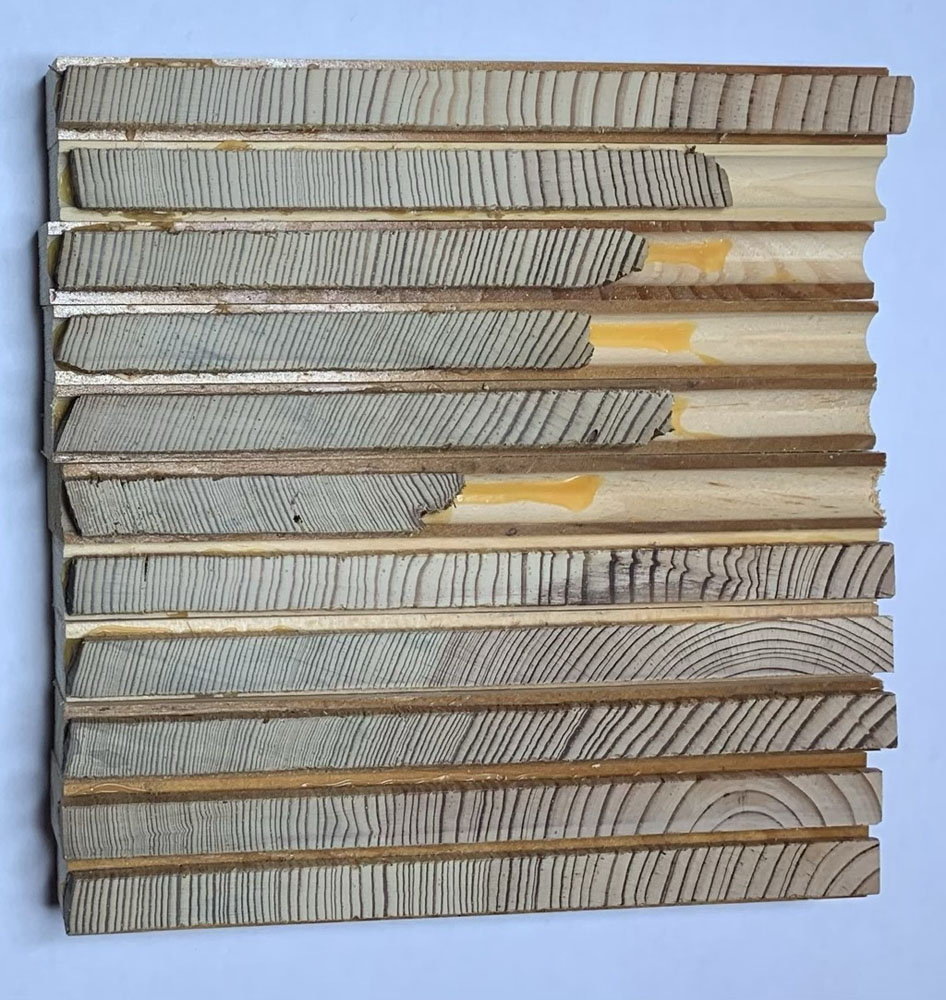
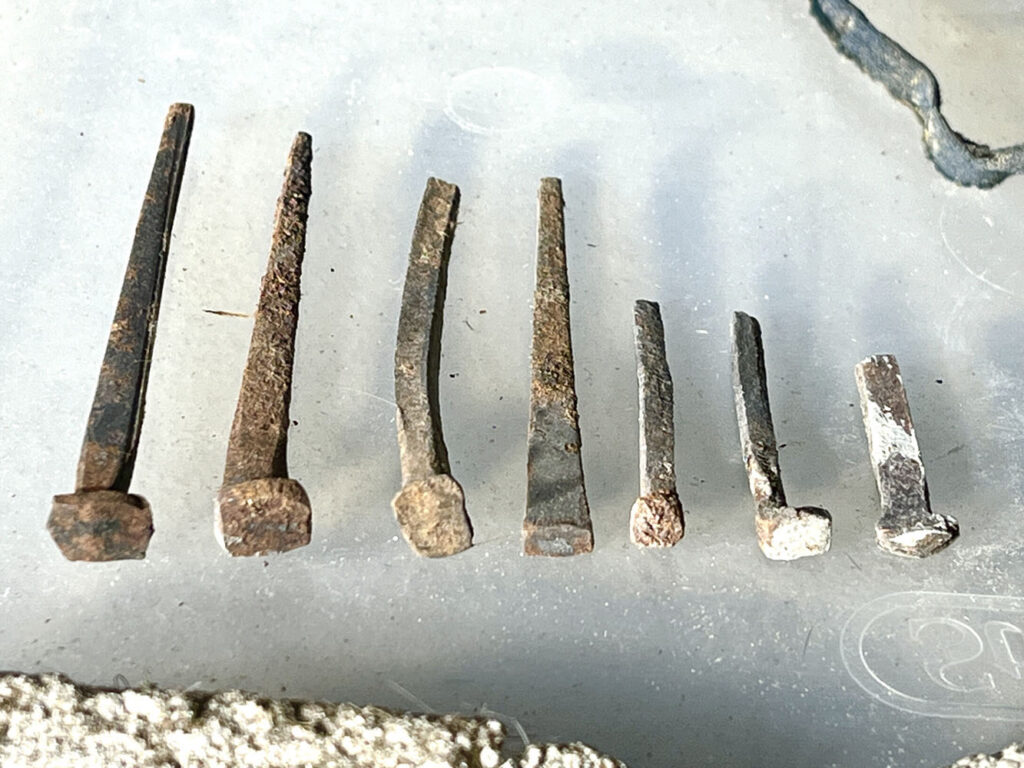
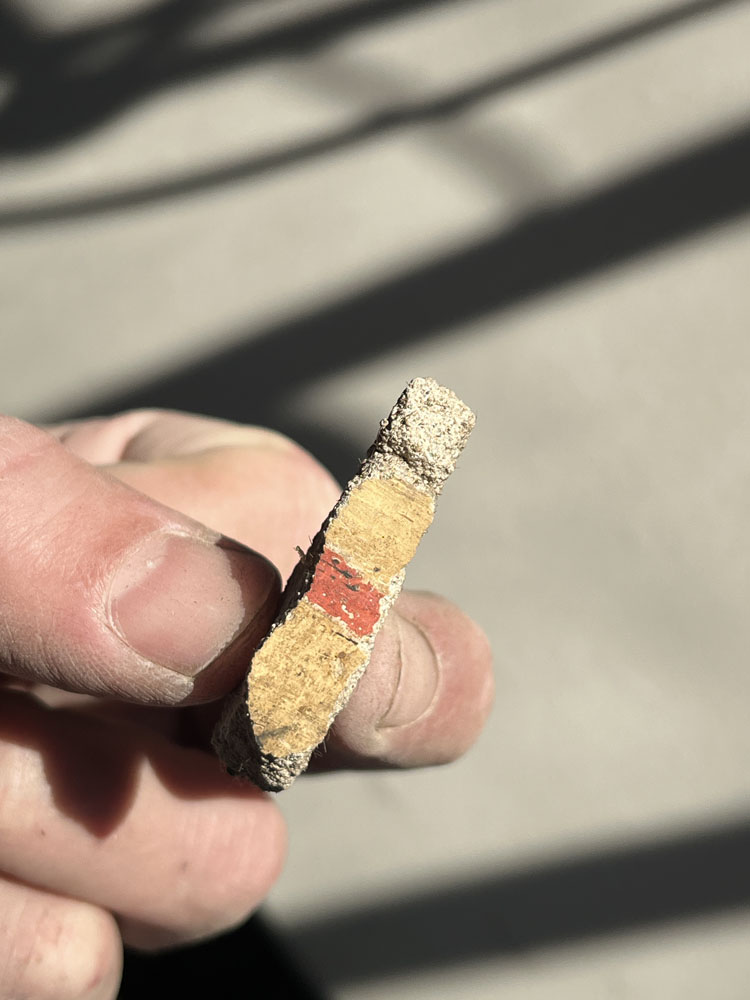
Presentations should be 25-30 minutes in length and should highlight case studies that help change the way we understand a building, its occupants, and/or local history, or new techniques or methodologies that might be adopted by other practitioners and building owners. Presentations should include visuals and demonstrate the interpretive impact of forensic clues like framing analysis, masonry studies, architectural “ghosting” and shadow lines, nail chronology, paint stratigraphy analysis, dendrochronology, plaster and mortar analysis, molding profiles, UV/IR photography, builders’ signatures, and other physical evidence in establishing building chronologies and their significance. Proposals that highlight methodologies combining physical evidence and documentary research are especially encouraged.
Speakers who are selected to present will be provided lodging in the Champney House on Friday night, lunch on Saturday, and a modest honorarium to help offset time and travel. Proposals should be sent to Michael Emmons at memmons@historic-deerfield.org and should include a 250–500-word abstract (including paper title) and a resume/CV (or brief bio). Sample photos or images are optional. Submissions are due by December 18, 2026, and applicants will be notified by Friday, January 8. Program and registration information will be posted in mid-January 2027.